
In the hyper-competitive world of mobile applications, the greatest challenge is no longer just acquiring users, but reaching them at the “magic moment.” This is the exact second when a user’s physical location, immediate needs, and digital behavior align. By 2026, the technology that facilitates this connection—geofencing—has evolved from a novel marketing tactic into a sophisticated pillar of mobile user targeting.
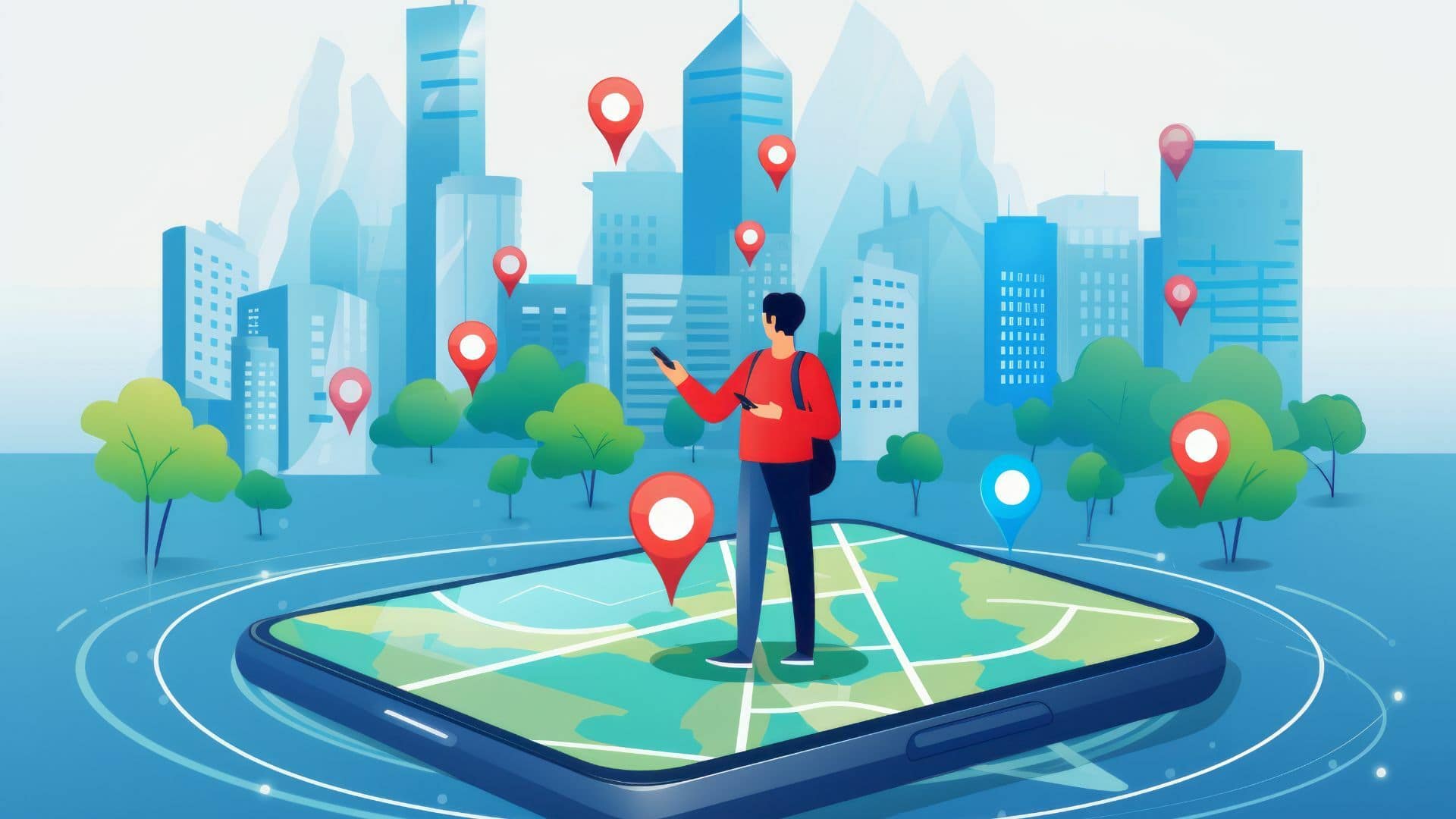
Geofencing allows businesses to create a virtual perimeter around a specific geographic area. When a user with a GPS-enabled device enters or exits this boundary, it triggers a pre-programmed action, such as a push notification, an in-app message, or a tailored advertisement. This article explores how geofencing is revolutionizing user engagement and the strategic considerations for implementing it effectively.
The Mechanics of the Virtual Fence
To understand the future of geofencing, one must first understand its technical foundation. Unlike general location tracking, which monitors where a user is at all times, geofencing is event-driven. It relies on a combination of GPS, cellular data, and Wi-Fi signals to determine proximity.
There are generally two types of geofences:
- Circular Geofences: A simple radius around a specific point, such as a 500-meter circle around a retail store.
- Polygonal Geofences: More complex shapes that can follow the exact boundaries of a shopping mall, a stadium, or even a specific street block.
In 2026, the technology has become significantly more power-efficient. Historically, geofencing was criticized for draining smartphone batteries because it required constant GPS polling. Modern mobile operating systems now use “Low-Power Location Monitoring,” which utilizes cell tower triangulation and hardware-level “fencing” to minimize battery impact while maintaining high precision.
Why Geofencing is the Ultimate Engagement Tool
The primary value of geofencing lies in its ability to provide context. In an era of information overload, a generic notification is often viewed as spam. However, a notification that provides a solution to a current physical situation is viewed as a service.
- Contextual Relevance: Imagine a user walking near a coffee shop they frequently visit. A geofenced trigger sends a 10% discount coupon to their phone the moment they are within 100 meters. The relevance of the offer increases the likelihood of a conversion exponentially compared to a random email sent at midnight.
- Competitor Conquesting: This is a bold strategy where a brand sets a geofence around a competitor’s location. For example, a car rental app might trigger a special “first-time user” offer when a traveler enters a rival agency’s parking lot at the airport.
- Enhanced User Analytics: Geofencing provides invaluable “dwell time” data. It tells developers not just that a user visited a store, but how long they stayed. This bridge between the digital and physical worlds allows for much deeper customer profiling.
Beyond Marketing: Functional Use Cases
While marketing is the most visible application, the future of geofencing in 2026 extends far into functional utility and safety:
- Smart Home Integration: Mobile apps now use geofencing to automate the home environment. As your car enters your neighborhood, your app can signal your smart thermostat to adjust the temperature and your garage door to open.
- Workplace Management: In the logistics and construction sectors, geofencing is used for “automated check-ins.” When a worker enters a job site, the app automatically logs their hours, reducing administrative friction.
- Safety and Compliance: Apps for heavy machinery or restricted areas use geofencing to send safety alerts or disable certain features if a user enters a high-risk zone without proper authorization.
The Ethical Horizon: Privacy and Consent
As with any technology that tracks physical movement, the shadow of privacy concerns looms large. In 2026, user targeting via geofencing is governed by strict “Privacy-by-Design” principles.
The most successful apps are those that practice “Transparent Value Exchange.” Users are generally willing to share their location if they understand exactly what they get in return—whether that is a smoother checkout experience, exclusive discounts, or safety alerts. Developers must prioritize opt-in mechanisms that are clear and easy to revoke. The trend is moving away from “tracking” and toward “consensual proximity awareness.”
Best Practices for Implementation
For developers and product managers looking to integrate geofencing, success is not just about the code; it is about the strategy:
- Size the Fence Correctly: A fence that is too large (e.g., a whole city) lacks relevance. A fence that is too small (e.g., 5 meters) might be missed due to GPS signal drift in urban “canyons.”
- Frequency Capping: Avoid “notification fatigue.” If a user walks past your store four times a day, they should not receive four notifications.
- A/B Testing Content: Test whether a “Welcome” message or an “Offer” message performs better for your specific demographic.
Conclusion
Geofencing is the bridge that finally connects the digital world of mobile apps to the physical reality of the human experience. In 2026, it is no longer enough for an app to be “useful”; it must be “timely.” By utilizing the six layers of computing—from the information layer to the communication layer—geofencing enables a level of personalization that was once the stuff of science fiction.
As we look toward the future, the integration of AI with geofencing will allow apps to not just react to where a user is, but to predict where they will be. For the modern developer, mastering geofencing is about more than just location; it is about mastering the art of the perfect moment.
Would you like me to create a technical guide on implementing geofencing in Android using Kotlin, or perhaps write an article on the legal implications of location tracking in 2026?